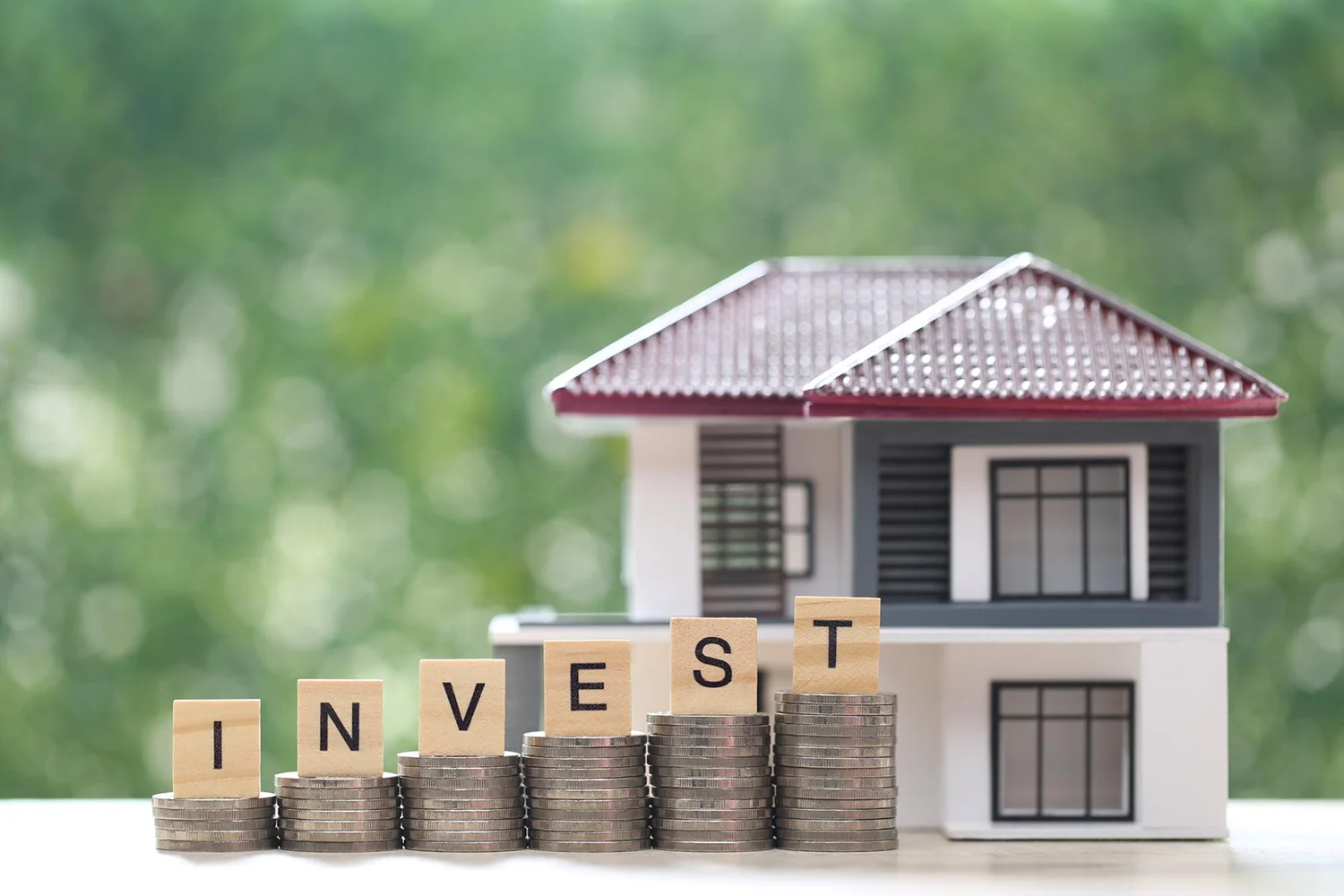
Investing in rental property is one of the most reliable ways to build long-term wealth, but most beginners don’t know where to start, how much money they need, how financing works, or how to avoid an expensive first mistake. This guide walks through the entire process step by step, so you can move from curious to confident.
Whether your goal is monthly cash flow, long-term appreciation, or a path toward financial independence, understanding the fundamentals before you buy will save you time, money, and stress.
Why Investing in Rental Property Makes Sense for Beginners
Unlike stocks or bonds, rental property for beginners offers something tangible: an asset you can see, improve, and control directly. It also comes with built-in tax advantages, the ability to use leverage (borrowed money) to grow your portfolio faster, and the potential for both monthly income and long-term appreciation.
That said, rental property isn’t passive from day one. It takes research, capital, and a willingness to learn, but the learning curve is manageable if you follow a clear process.
Step 1: Set Your Real Estate Investment Strategy
Before you look at a single listing, decide what you’re actually trying to achieve. A clear real estate investment strategy shapes every decision that follows: location, property type, budget, and financing.
Common beginner strategies include:
- Buy and hold: Purchase a property and rent it out long-term for steady cash flow and appreciation.
- House hacking: Buy a duplex or small multifamily property, live in one unit, and rent out the others.
- BRRRR method: Buy, rehab, rent, refinance, and repeat to recycle capital into new deals.
- Turnkey rentals: Purchase a property that’s already renovated and tenant-ready, ideal for hands-off investors.
Pick one strategy to start. Trying to do everything at once is one of the fastest ways to get overwhelmed as a first-time investor.
Step 2: Understand Rental Property Financing Options
Most beginners assume they need to pay cash, but rental property financing comes in several forms, each with different requirements.
- Conventional mortgage: Typically requires 15–25% down for investment properties, along with strong credit and income documentation.
- FHA loan (house hacking only): Allows as little as 3.5% down, but only if you live in one unit of a 2–4 unit property.
- Portfolio or DSCR loans: Approved based on the property’s rental income rather than your personal income; useful once you own a few properties.
- Private or hard money loans: Short-term, higher-interest financing often used for renovation projects before refinancing into a long-term loan.
Get pre-approved before you start shopping. It tells you your real budget and signals to sellers that you’re a serious buyer.
Step 3: Calculate Cash Flow Before You Buy
Positive cash flow the money left over after all expenses are paid is what separates a good rental investment from a financial burden. Never rely on rent alone to judge whether a deal works.
A basic cash flow calculation should include:
- Monthly rental income (based on realistic market rent, not the highest possible estimate)
- Mortgage payment (principal and interest)
- Property taxes and insurance
- Property management fees (typically 8–10% of rent, even if you plan to self-manage initially)
- Maintenance and repair reserves (a common rule of thumb is 1% of the property’s value annually)
- Vacancy reserve (budget for 5–8% vacancy, since no property stays rented 100% of the time)
If the numbers are tight or negative before you even account for repairs, that property likely isn’t the right first investment.
Step 4: Choosing Your First Rental Property
Not every property makes a good rental, even if it looks like a great home. Focus your search using these real estate investing tips:
- Location first: Look for areas with strong rental demand, reasonable property taxes, and access to jobs, schools, or transit.
- Condition matters: A property needing major structural work will eat into your returns fast; factor renovation costs into your offer.
- Run the numbers on multiple properties: Don’t fall in love with the first listing. Compare at least 5–10 properties before making an offer.
- Consider property type: Single-family homes are easier to finance and manage; small multifamily properties (2–4 units) often offer better cash flow per dollar invested.
A local real estate agent experienced with investment properties, not just personal homesz can help you evaluate deals faster and avoid overpaying.
Step 5: Property Management for Beginners
Once you close on your first property, you’ll need a plan for day-to-day operations. Property management for beginners generally comes down to two choices: self-manage or hire a property manager.
Self-managing works well if you:
- Live near the property
- Have time to handle tenant calls, repairs, and screening
- Want to maximize cash flow by avoiding management fees
Hiring a property manager makes sense if you:
- Live far from the property
- Own multiple units and need to scale
- Prefer a more hands-off, passive experience
Either way, screen tenants carefully: credit checks, income verification (typically 3x the rent), and rental history references are non-negotiable steps that prevent costly problems later.
Common Mistakes First-Time Rental Investors Make
- Underestimating repair and vacancy costs, leading to negative cash flow surprises.
- Buying based on emotion rather than the numbers.
- Skipping a professional inspection to save money upfront.
- Self-managing without setting clear tenant screening criteria.
- Over-leveraging by buying more property than their cash reserves can support.
Avoiding these mistakes matters more than finding the perfect deal; a good property with a solid plan will outperform a great property with poor management every time.
Building Passive Income Through Real Estate Over Time
Passive income through real estate rarely happens overnight, but it compounds. As you pay down your mortgage and rents rise over time, your cash flow typically improves year over year. Many investors reinvest early profits into a second property, then a third, gradually building a portfolio that generates meaningful income with less day-to-day involvement.
The key is patience: your first property is a learning experience as much as an investment. Track your numbers, learn what worked and what didn’t, and apply those lessons to your next purchase.
Conclusion
Getting started with investing in rental property doesn’t require a perfect plan; it requires a clear strategy, realistic numbers, and a willingness to learn as you go. Set your goals, understand your financing options, run the cash flow numbers honestly, and choose your first property carefully.
PropertyDigest provides practical real estate insights to help investors make informed property and investment decisions. Start small, stay disciplined about the numbers, and treat your first rental as the foundation for a long-term portfolio rather than a one-time bet.